The flowers for a new mom: Why Roses that don't need water have become the modern gift of choice
There are certain moments in life that feel suspended—soft, weightless, and strangely tender. The arrival of a new baby is one of them. It is a moment when time bends around a family, creating small pockets of quiet within the chaos, and where gestures—especially the thoughtful ones—carry far more meaning than their scale might suggest.
Traditionally, flowers have filled that space. A bouquet of roses on the hospital side table, a delivery left on the doorstep, a vase placed beside the rocking chair. Fresh blooms have always been shorthand for celebration. But in the last few years, the world of floral gifting has undergone a noticeable shift. The conversation has changed from the fleeting beauty of cut stems to something more enduring, more sculptural, and more aligned with the realities of modern living.
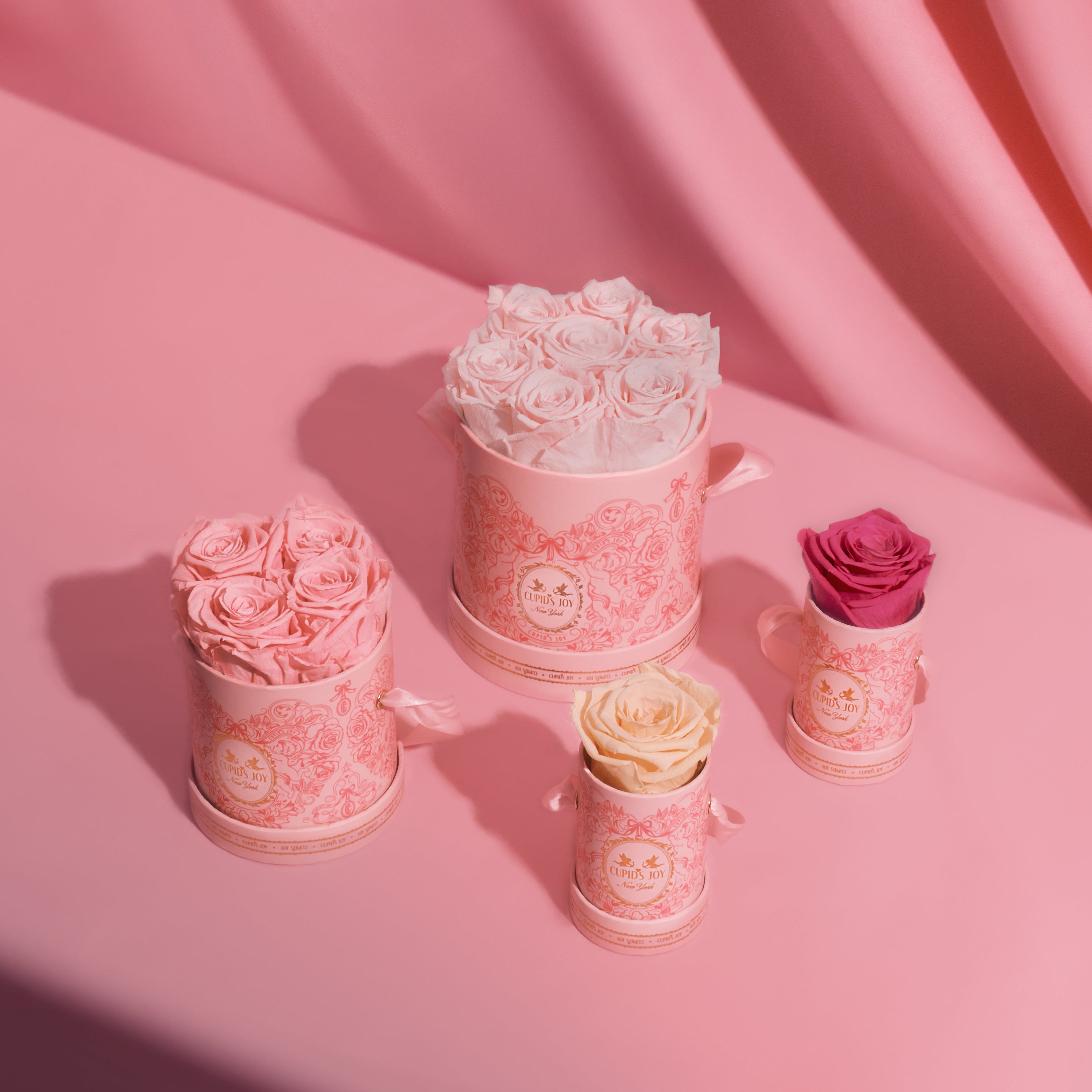
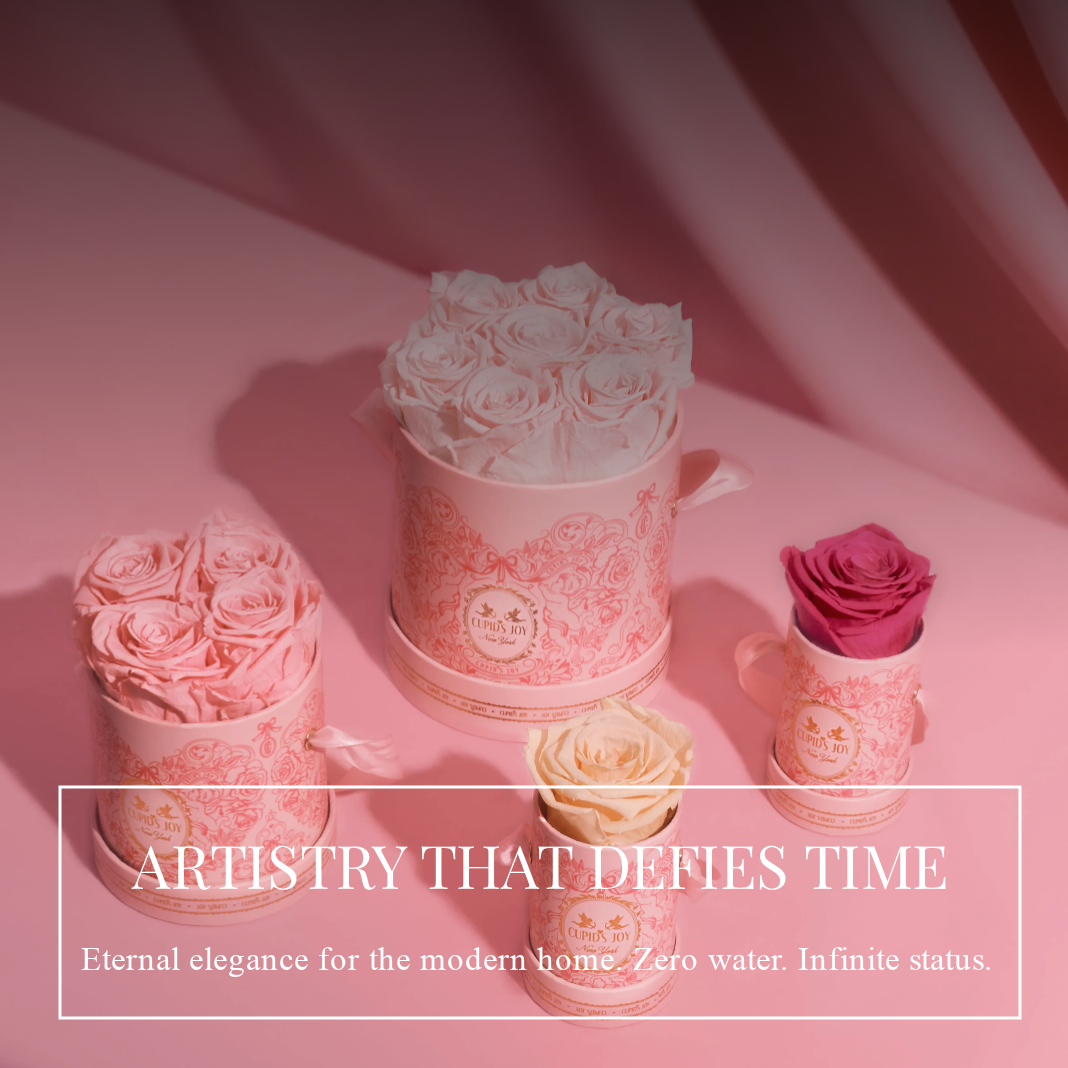
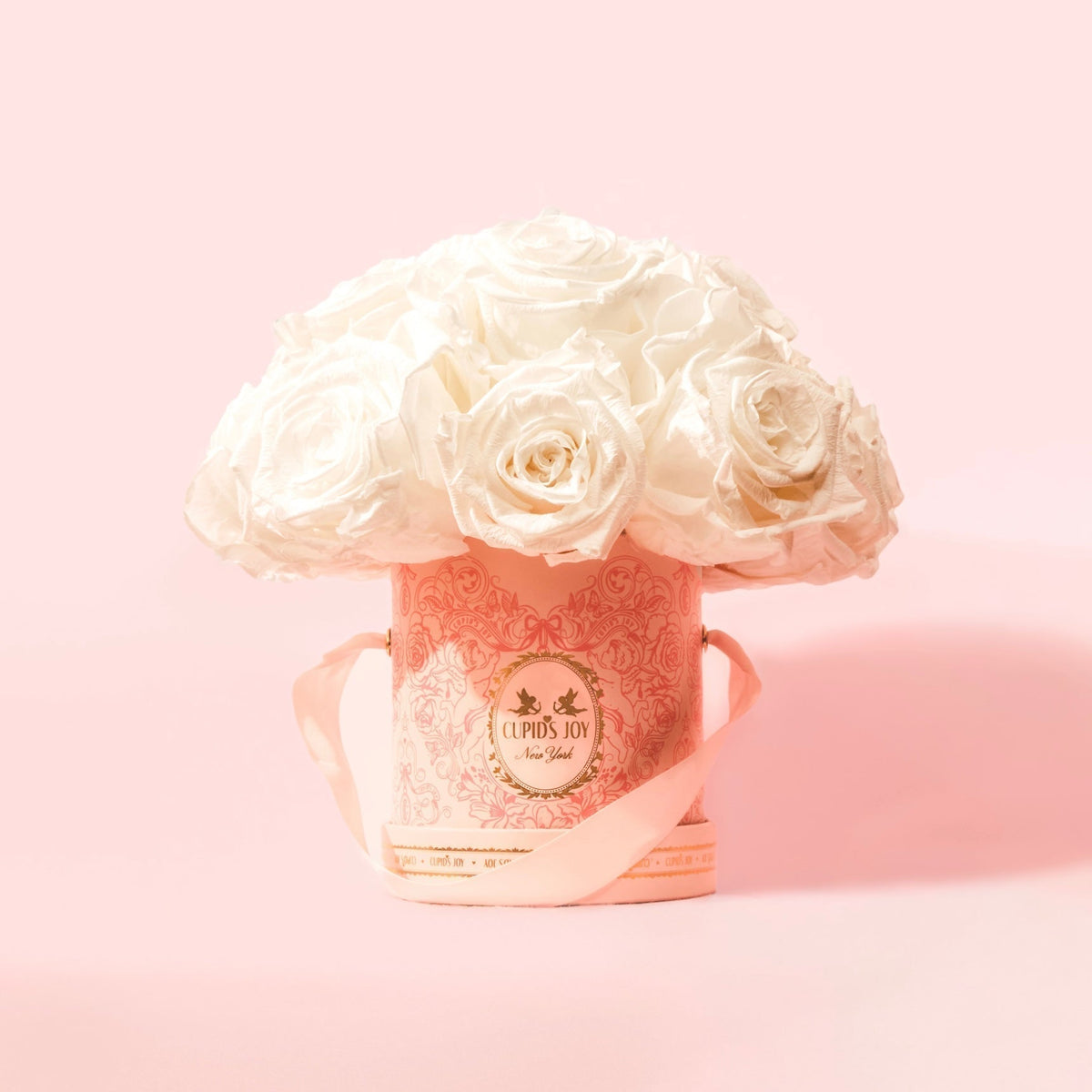
Enter preserved roses: real Ecuadorian roses treated to remain soft, velvety, and full for more than a year. They represent a new category of design objects—half floral, half interior décor, entirely contemporary. And for new mothers, they have become one of the most considered, quietly luxurious gifts possible.
This article explores why preserved roses have captured the attention of designers, new families, and aesthetically minded gift-givers alike. And why, for the person navigating the fragile, luminous first weeks of motherhood, flowers that don’t need water offer a beauty that’s more than visual; it’s emotional, architectural, and deeply intuitive.
THE SHIFT AWAY FROM FRESH FLOWERS
Fresh flowers have their place. A bouquet of roses can be breathtaking, and their temporary nature has long been part of their charm. They bloom quickly, open dramatically, and often fade just as fast. But as our lives have become fuller—and as design and lifestyle ideals have moved toward simplicity and permanence—a bouquet that wilts within days has begun to feel, for many, out of sync.
Especially for new mothers.

There is an unspoken truth about the postpartum period: everything takes effort. A vase of fresh flowers seems like a small joy until the water clouds, petals fall onto the counter, and stems collapse into themselves. Suddenly, a gift meant to offer beauty becomes another small task to manage.
Preserved roses remove that burden entirely. They arrive at their full, sculptural bloom and maintain it with almost ceremonial stillness. No trimming. No watering. No maintenance. They remain exactly as they arrive—day after day, month after month.
This is perhaps why the phrase “flowers that don’t need water” has become a rising search term and why long lasting roses have gained such traction among both gift-buyers and interior designers. The modern home—particularly a home adjusting to new life—leans toward objects that offer beauty without demanding attention.
THE RISE OF FOREVER FLOWERS AS DESIGN OBJECTS
What separates preserved roses from artificial florals is not only their authenticity but also their relationship to interior space. Fresh flowers dominate for a week; preserved roses integrate.
Designers appreciate them for the same reason architects appreciate stable materials: they bring continuity.
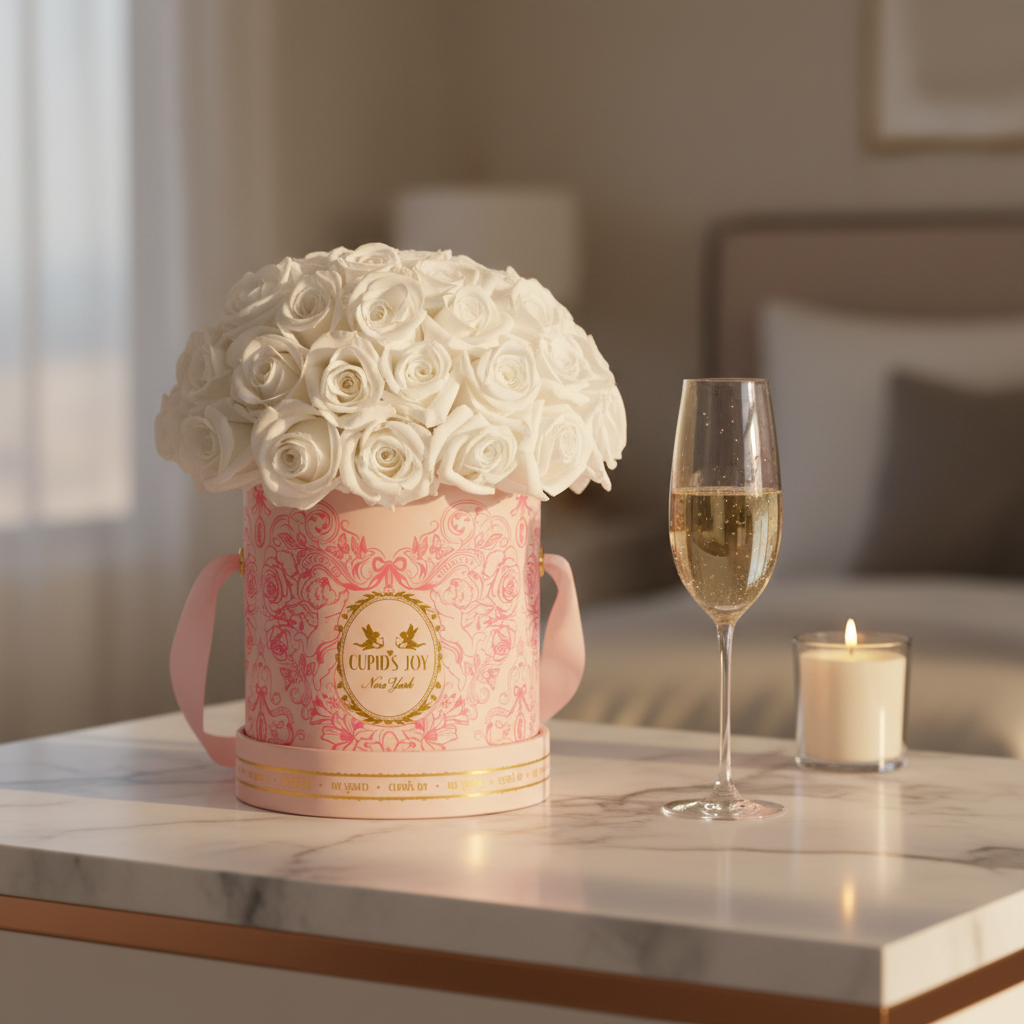
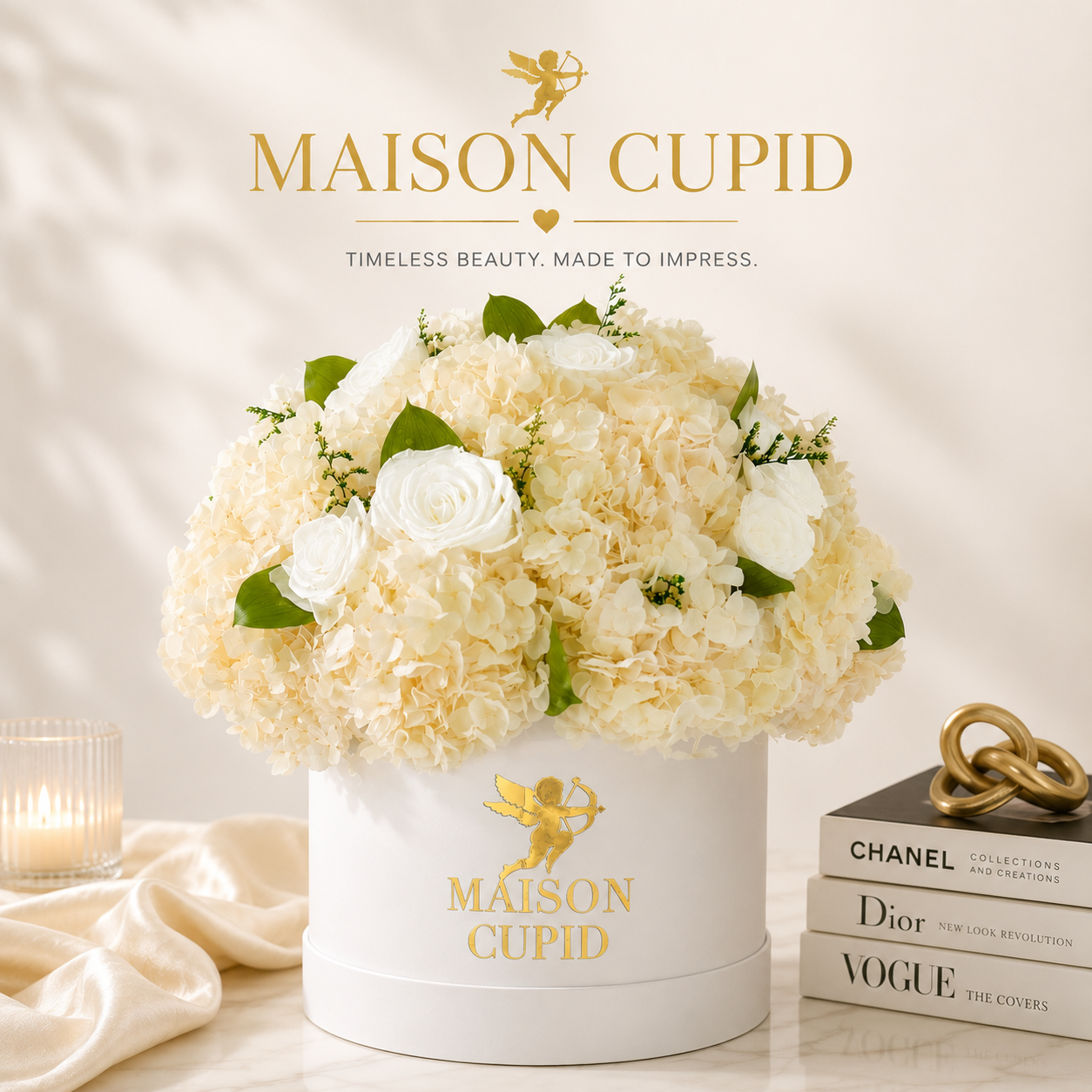
A luxury rose box placed on a stone countertop, a bedroom dresser, or a nursery shelf becomes part of the home’s visual rhythm rather than a momentary flourish. The arrangement doesn’t compete with surrounding textures or colors. Instead, it becomes a small installation—a still life that remains quietly present even when the rest of the room is shifting.
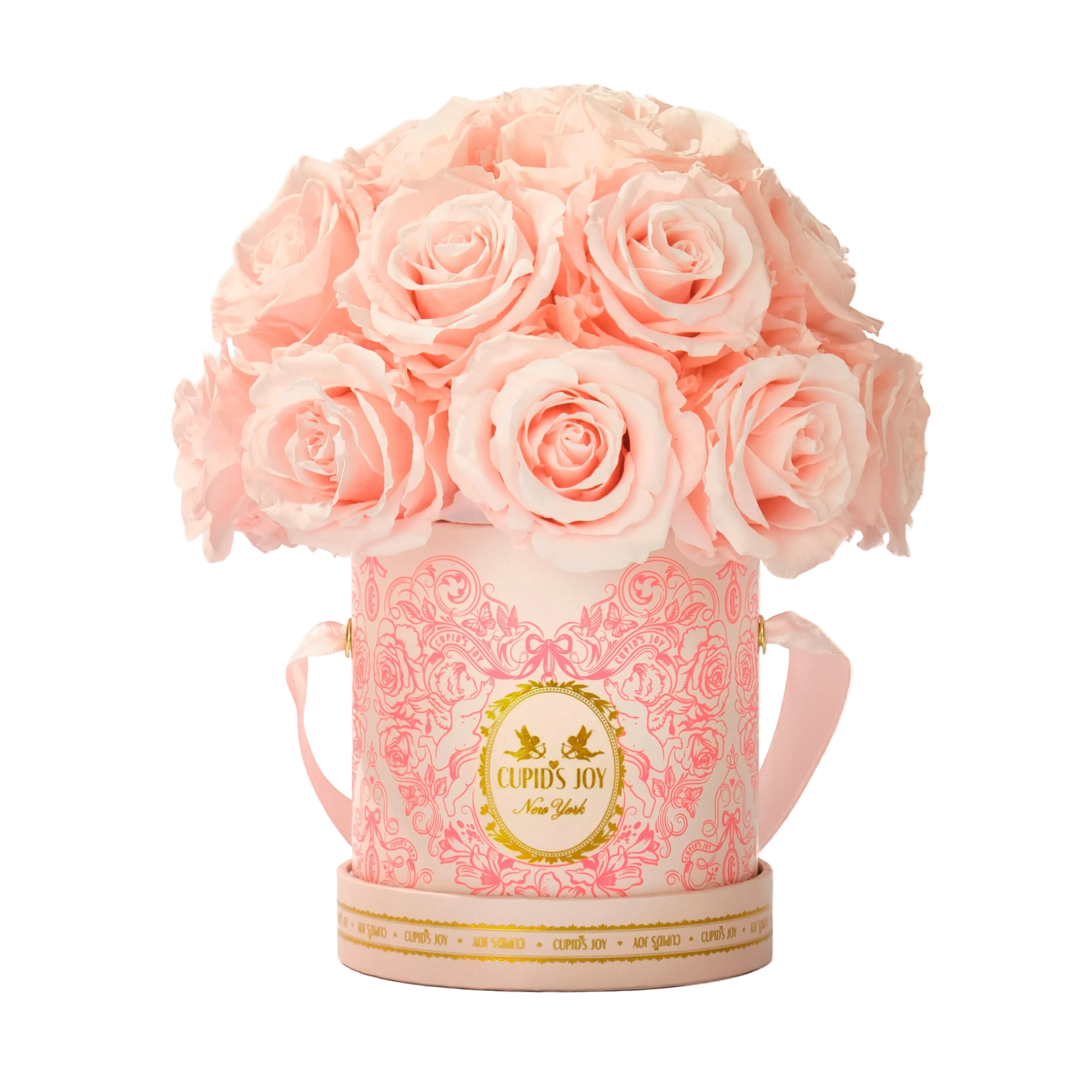
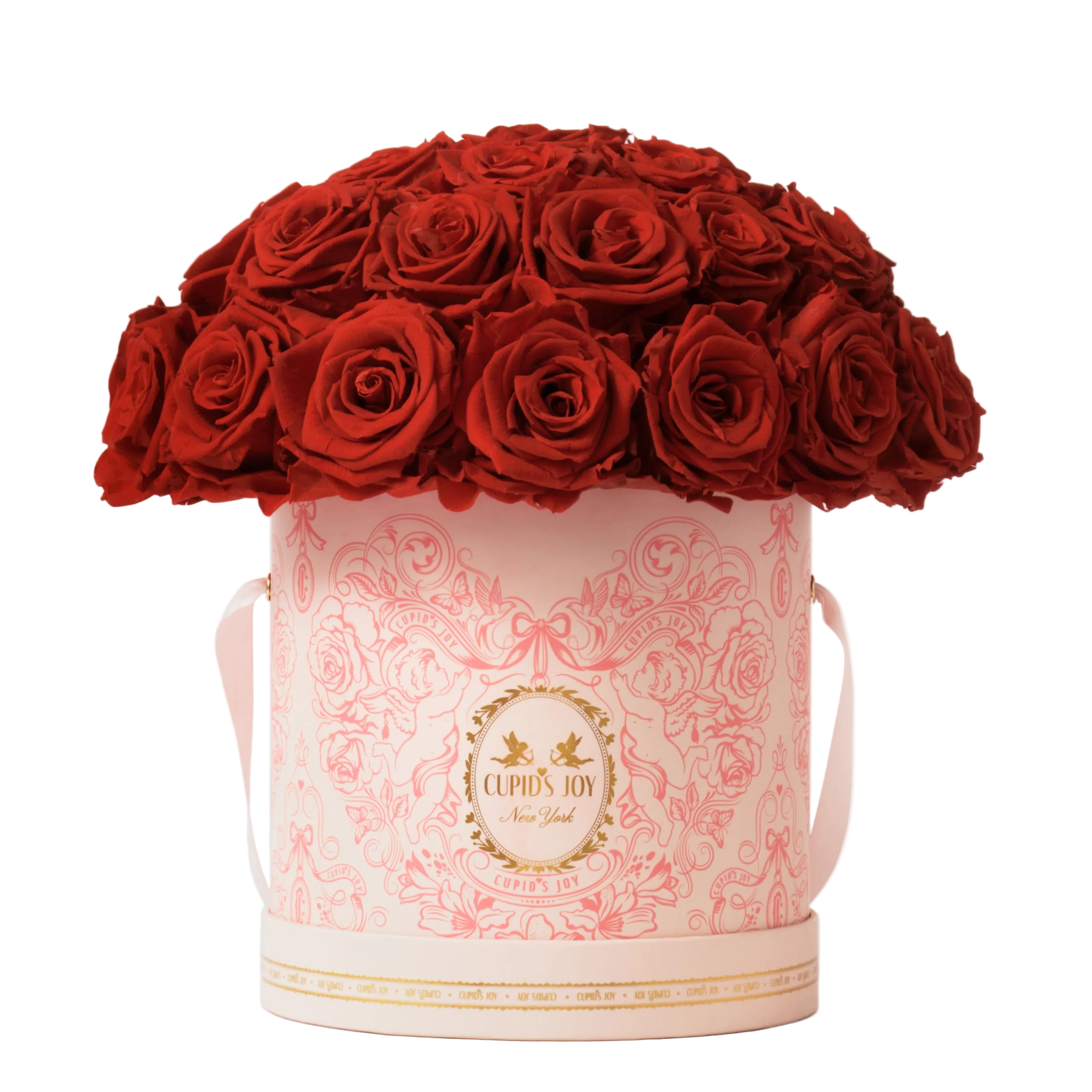
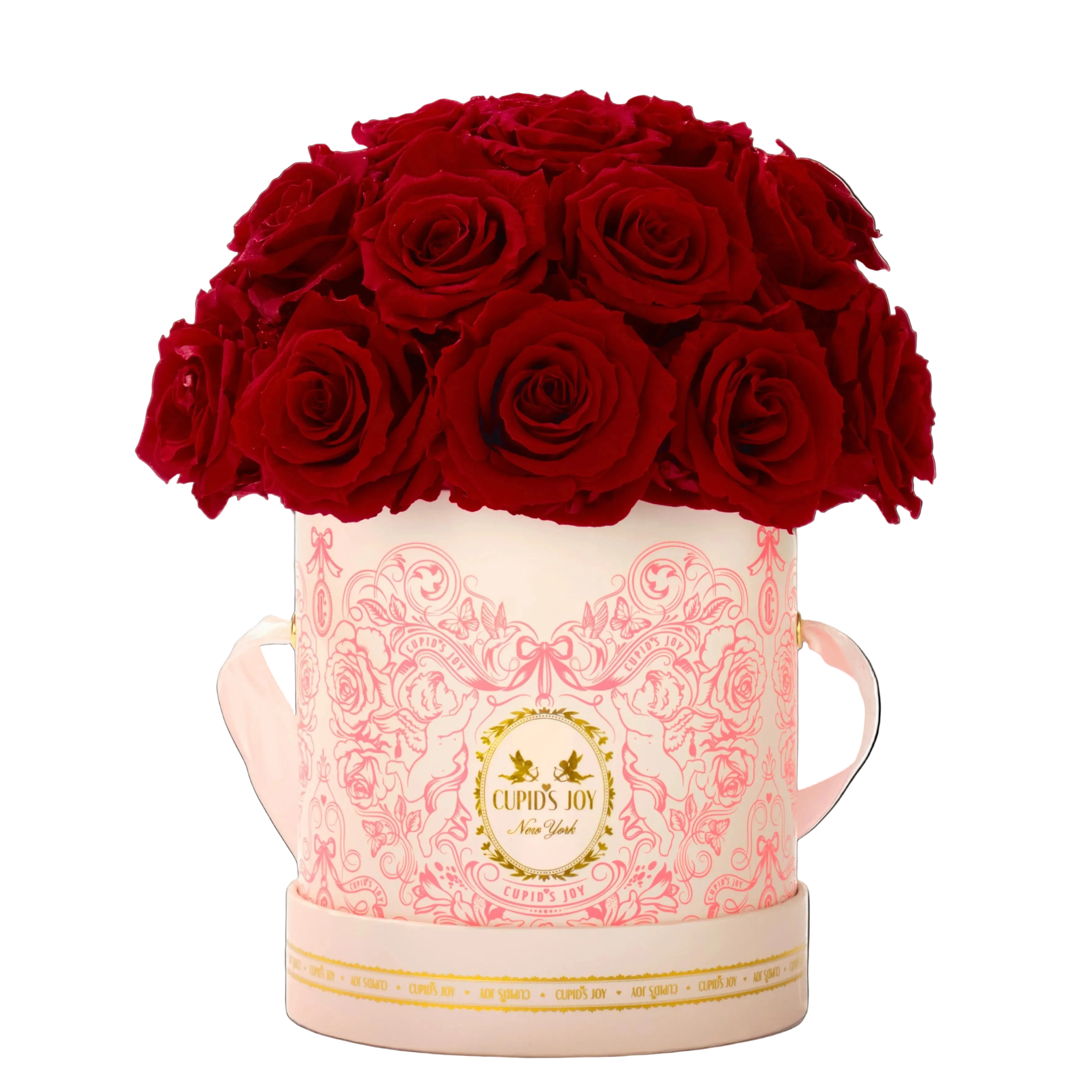
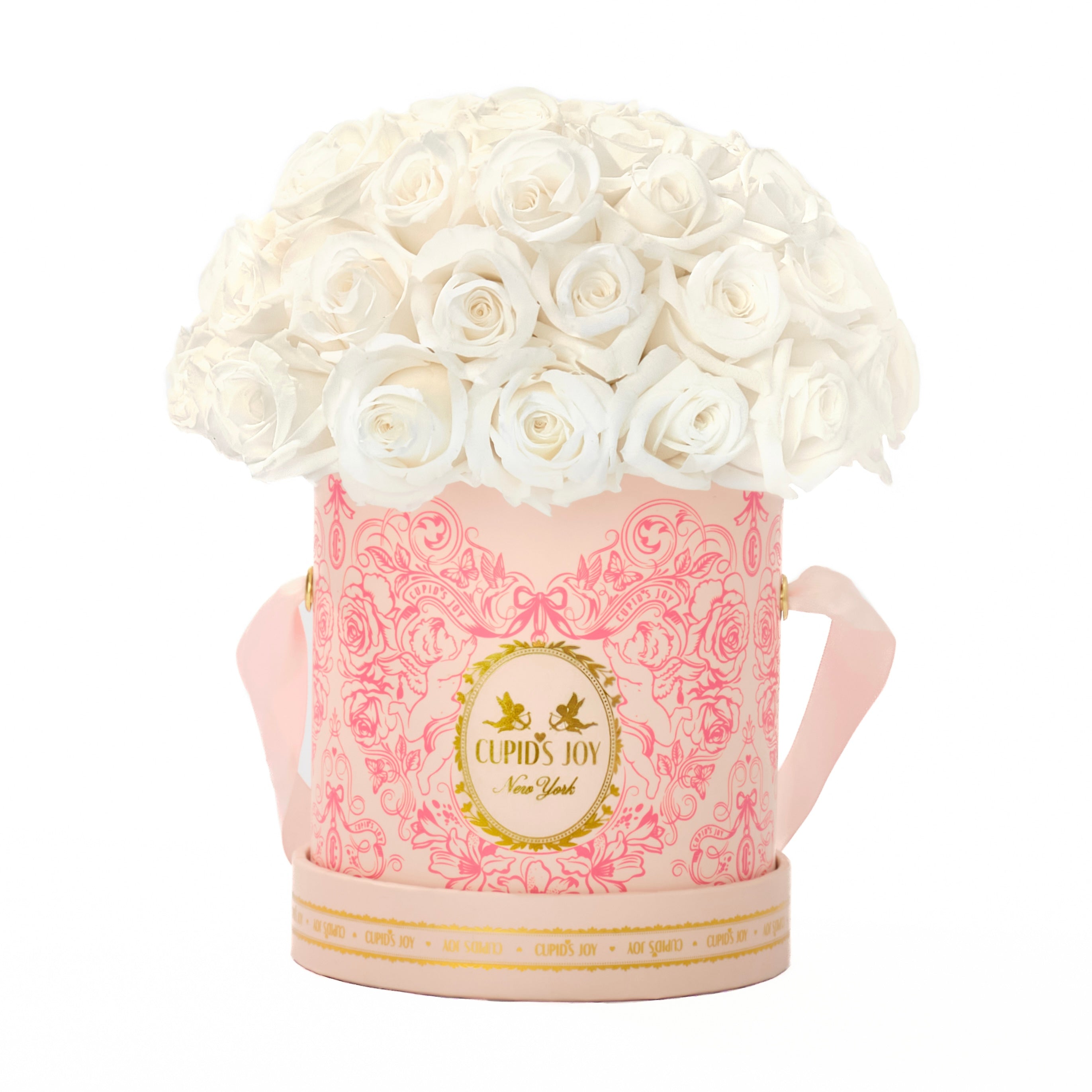
This is why preserved roses are appearing in interior styling shoots, model apartments, boutique hotels, and contemporary nurseries. They have a sculptural quality, especially when arranged in domes or architectural formats like the eternal rose dome, that feels intentional rather than decorative.
For a new mom—someone seeking stability amidst the emotional amplitude of early parenthood—this continuity matters.
Fresh bouquets are seasonal. Preserved roses become part of the landscape.
HOW PRESERVED ROSES ARE MADE (A PROCESS OF STILLNESS)
Understanding the appeal of preserved roses begins with understanding how they’re made. These are not synthetic blooms, nor are they dried in the traditional sense. They begin as real Ecuadorian roses, known globally for their size, structure, and color depth.
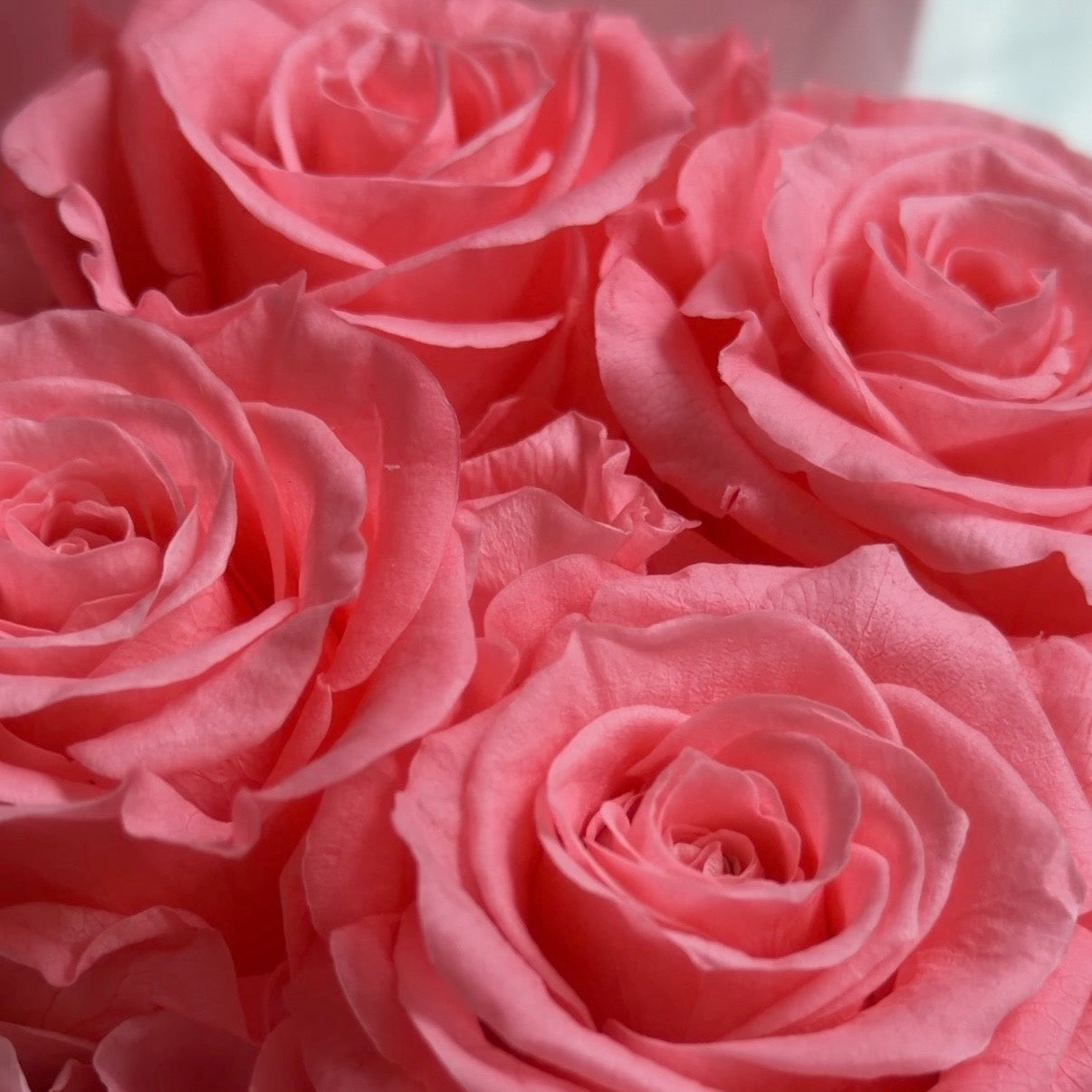
Each rose is cut at the precise moment of optimal bloom. Then it undergoes a preservation process where its natural moisture is replaced with a plant-based solution—a step that prevents wilting while maintaining softness. The petals remain flexible, almost buttery.
Color can either be gently enhanced or kept natural, depending on the desired effect:
- white roses maintain their calm, milky purity
- pink roses retain their blush warmth
- green roses show subtle botanical notes
- black and white roses create stark modern contrast
- rainbow roses offer painterly vibrancy
While fresh roses collapse inward over time, preserved roses maintain their architectural integrity. They hold their shape like sculpture.
This balance—organic origin, artful preservation—is what makes them unique in the world of floral gifting.
COLOR AS A LANGUAGE OF NEW MOTHERHOOD
Flowers are emotional objects, and color makes them language.
For new mothers, certain colors resonate more deeply:
White roses

Calm, quiet, atmospheric. Ideal for a nursery or bedside table, especially in a minimalist or Scandinavian setting. They bring stillness.
Pink roses
Soft, nurturing, intimate. They echo the tenderness of early motherhood without pushing into sentimentality.
Green roses
Unexpected yet deeply soothing. A symbol of recovery, renewal, and grounding.
Black and white roses

A design-forward option for mothers with a modern, architectural aesthetic. They bring shape to a space in a clean, editorial way.
Rainbow roses
Optimistic, celebratory, and joyful—ideal for parents who gravitate toward color or who want a burst of energy in the home.
The choice of color becomes part of the gift’s meaning, and because preserved roses remain visible for a year, that meaning lingers.
HOW NEW MOMS ACTUALLY USE PRESERVED ROSES IN THEIR SPACES
Unlike fresh bouquets, which often feel temporary, preserved roses naturally fold into the architecture of a home.
1. Beside the bed
The first weeks of motherhood happen mostly within a radius of a few rooms: the bedroom, the nursery, the nursing chair. Soft light, quiet hours. A piece of beauty that requires no care is comforting in these spaces.
2. In the nursery
Preserved roses introduce color and texture without introducing fragrance—a detail new parents appreciate. A single eternal rose dome becomes a focal point, especially on a high shelf or dresser.
3. On a living-room console
Here they act as sculpture more than flowers. A rose box with white roses against a dark wood surface creates a museum-like vignette.
4. In the kitchen or seating nook
Fresh flowers here require constant replacing; preserved roses bring a sense of completion without demanding anything from the homeowner.
5. As part of a postpartum care space
A mother’s dressing table, skincare nook, or meditation corner often becomes a personal sanctuary. A single preserved rose can make the space feel intentional.
This is the shift designers often talk about: not decorating, but anchoring.
WHY PRESERVED ROSES ARE THE MOST CONSIDERATE GIFT FOR NEW MOTHERS
Gifting is an act of attention. It says, “I see you in this moment.”
For new moms, the best gifts are the ones that lighten the world rather than add to it. Preserved roses do this elegantly:
They require nothing
No water.
No vase.
No instructions.
No cleanup.
They last through the entire first year
As the baby grows through milestones—first smiles, first sounds, first steps—the roses remain quietly present. It becomes a timeline, a reference point.
They elevate the space
The postpartum environment is emotionally dense. A single element of beauty helps bring calm.
They feel luxurious without excess
Not loud, not flashy. Simply refined.
They acknowledge the transformation
Motherhood is architectural in its own right—reshaping a woman’s life from the inside out. A rose that stays is a mirror of endurance.
THE PIECES THAT MAKE THE MOST SENSE
For gifting a new mom, certain arrangements work especially well:
A small rose box
Compact, soft, elegant. Fits bedside tables beautifully.
A single eternal rose

An intimate gesture—perfect for parents who favor minimalism or Japanese-inspired interiors.
A dome arrangement

Architectural and sculptural. A statement piece for the nursery or living room.
Dramatic and celebratory—the kind of gift that becomes a centerpiece.
Each one has presence without demanding attention.
WHY THIS GIFT FEELS DIFFERENT
Fresh flowers remind us of moments.
Preserved roses remain with us during them.
A new mom doesn’t need reminders that time is passing quickly. She feels it in every new sound, every quiet milestone, every shift in her home’s rhythm. A gift that remains—a piece of beauty that stands still—offers a kind of emotional grounding that fresh flowers cannot.
And perhaps this is why so many families, designers, and thoughtful givers have embraced this new tradition. Preserved roses aren’t simply flowers. They’re objects of permanence, made for the people in our lives who deserve something beautiful to stay.
CONCLUSION
The first year of motherhood is a chapter defined by tenderness, exhaustion, renewal, and depth. It reshapes the home, the heart, and the pace of life. In these delicate months, a gift that requires nothing but offers quiet beauty becomes more than decorative—it becomes deeply considerate.
Preserved roses—roses that last a year, real roses that need no water—are part floral arrangement, part design object, part anchor in a shifting emotional landscape.
For a new mother, they say:
“You deserve beauty that doesn’t ask anything of you.”
“You deserve something that stays.”
And that, above all, is why they have become the modern gift of choice.
A gift that stays
Find the perfect preserved rose for a new mom
Real Ecuadorian roses. No water needed. Lasts 1–3 years.
Shop Preserved Roses →