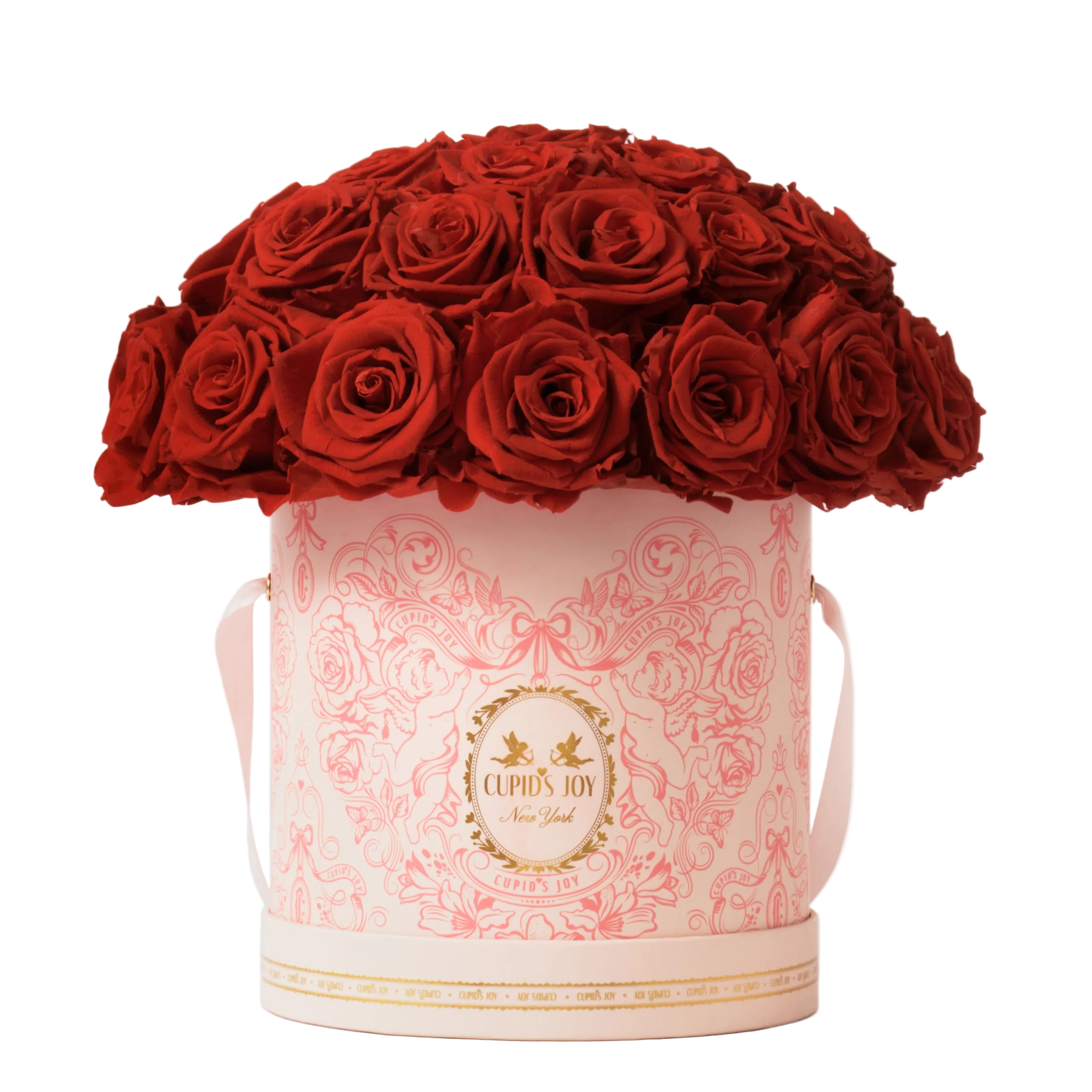
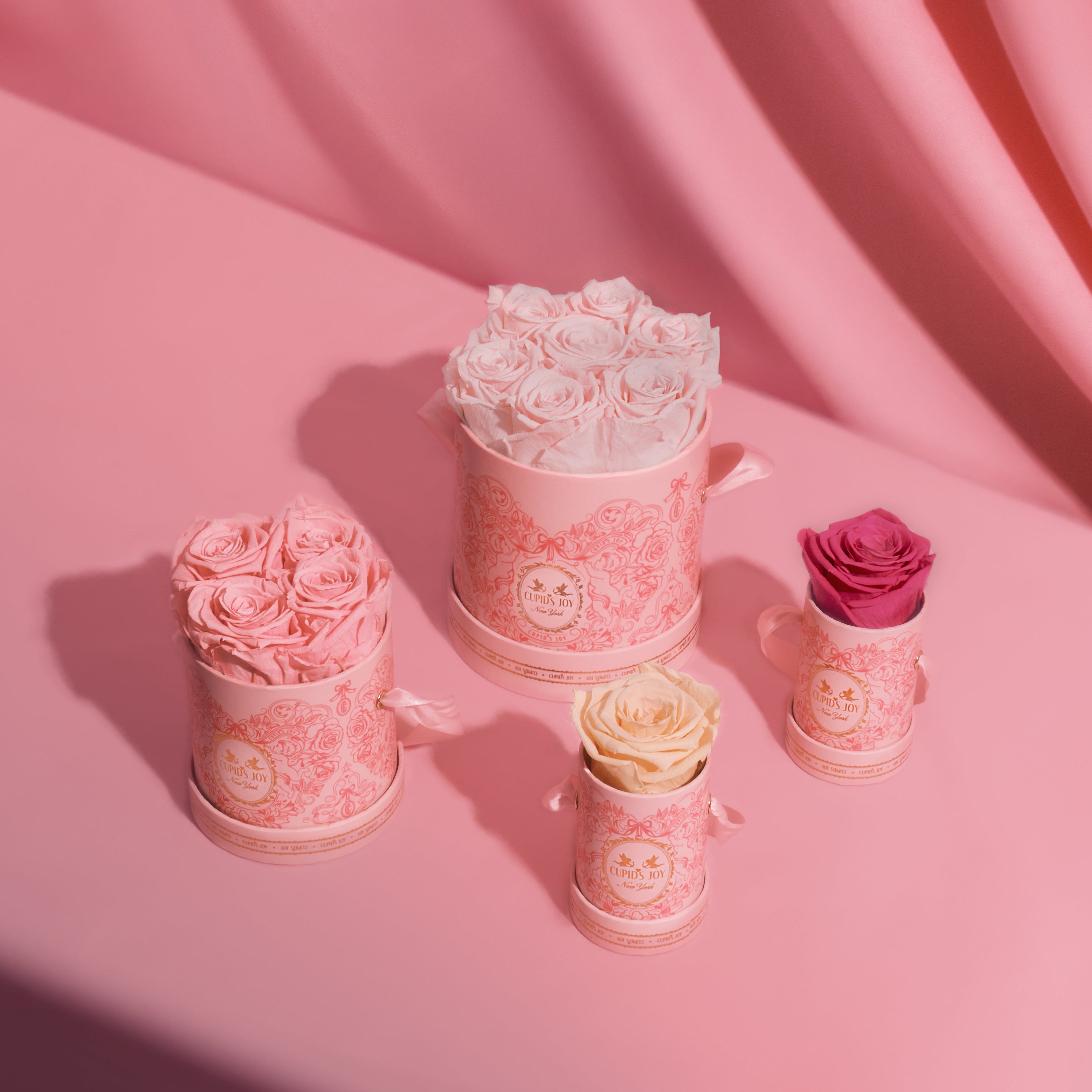
What Are Preserved Roses? A Complete Guide to Roses That Last a Year

Fresh roses are beautiful, but they don’t last long. Within a week, petals fall, colors fade, and the gift is gone. That’s why preserved roses are changing the way people think about flowers.
But what exactly are preserved roses, how are they made, and why are they so popular? Let’s dive in.
What Are Preserved Roses? A Complete Guide to Roses That Last a Year
Fresh roses are beautiful, but they don’t last long. Within a week, petals fall, colors fade, and the gift is gone. That’s why preserved roses are changing the way people think about flowers.
But what exactly are preserved roses, how are they made, and why are they so popular? Let’s dive in.
What Are Preserved Roses?
Preserved roses are real roses that have been carefully treated so they keep their natural look and softness for months—or even years. Unlike dried roses, which become brittle, preserved roses still feel smooth and fresh. Dried roses are usually hung upside down and left to dehydrate, resulting in flowers that become fragile, lose their vibrant color, and can shatter or shed petals at the slightest touch. While dried bouquets might last a few months if handled gently, they're prone to crumbling and messes if disturbed.
Preserved roses, on the other hand, are made to last—often staying beautiful for one to three years, or even longer if kept in a sealed enclosure. Instead of ending up with a faded, brittle arrangement, you get roses that look and feel almost like they did on the day they were picked. And unlike artificial flowers, they’re not fake at all - they start out as living roses. And unlike artificial flowers, they’re not fake at all - they start out as living roses.
How Are Preserved Roses Made?
The process sounds almost magical, but it’s simple science. Here’s how it works:
-
- The best roses are picked when they’re in full bloom. Sturdy flowers with thicker petals are usually chosen, as they tend to preserve better.
- Stems are cleaned and trimmed to the desired length, with any excess foliage or thorns carefully removed.
- The roses are placed in a special solution, usually made with glycerin and water. The exact ratio depends on the flower type and the level of preservation desired, but the key is making sure the cut ends of the stems are fully submerged.
- Over several days to weeks, the flowers slowly absorb the glycerin solution through their stems. This replaces the natural sap and moisture, gradually locking in their fresh appearance.
- The flowers are dried in a controlled space, allowing the preservation process to finish.
- Natural or added colors make the blooms shine even brighter—think reds, pinks, golds, or even dramatic black roses.
Other Ways to Preserve Flowers
While the glycerin method works wonders for lush, soft blooms, there are several other classic techniques to keep flowers looking their best:
- Air drying: Hang flowers upside down in a cool, dry place with good airflow. This traditional method works well for sturdy flowers and bouquets, letting them dry out gradually while holding their shape.
- Pressing: For a delicate, vintage look, place flowers between sheets of absorbent material like parchment paper, then press them flat with a heavy book or flower press. Perfect for framing or scrapbooks!
- Desiccants (like silica gel): Burying flowers in silica gel or another moisture-absorbing substance helps preserve their three-dimensional shape and vibrant color, making it a favorite for more fragile blooms.
Each method offers its own unique charm, so you can choose the one that best fits your style—or experiment with a few for fun. The beauty of preserved flowers is that, with just a little care and the right technique, your favorite blooms can last far beyond their time in the garden.
Safety Tips for Preserving Flowers
Just as with any science experiment in your kitchen or craft table, a little caution goes a long way. Before you grab your gloves and start channeling your inner botanist, keep these safety guidelines in mind:
- Handle with care: Some flowers—like foxglove or oleander—aren’t just beautiful, they’re also naturally toxic. If you’re unsure about what you’re handling, do a little research beforehand.
- Watch for pesticides: Flowers from stores or gardens may have been treated with chemicals. It’s wise to wear gloves when trimming and preparing stems, especially if you have sensitive skin.
- Keep it breezy: When working with silica gel, glycerin, or any preservation solution, ensure your workspace is well-ventilated. This not only keeps fumes at bay but ensures your preserved blooms remain the star of the show—not the lingering scent in the room.
- Consult the pros: If a flower looks mysterious or you’re uncertain about your preservation method, a quick call to your local florist or a handy gardening guide can save the day.
By following these simple steps, you’ll protect both your flowers—and yourself—through every petal-preserving adventure.
Preserved vs. Dried: What’s the Real Difference?
Preserved roses and dried roses might look similar from afar, but their journeys are worlds apart.
Drying flowers is as old as forgetting a mug of tea on your desk—simply hang the blooms upside down and let the air do its thing. The result? Roses that often lose their vibrant color, turn brittle, and are easily crushed. If you sneeze too close, expect a petal cascade. Dried roses make nice mementos but be gentle; they’re more delicate than those cookies you tried baking last winter.
Preservation, though, is a more scientific affair. As we’ve covered, this process uses solutions like glycerin to replace the sap, locking in that fresh-from-the-garden look and feel. The outcome is roses that remain soft and lively in appearance for years—without needing a drop of water.
In short:
- Drying = less vibrant, fragile, and short-lived
- Preserving = supple, colorful, and long-lasting
So, whether you want a keepsake that lasts through countless birthdays or something you can proudly display without worrying about fallout, preserved roses clearly have the upper hand.
How Long Do Preserved Roses Last?
Most preserved roses last one to three years with proper care. Some can stay beautiful even longer if kept away from direct sunlight, humidity, and water. Preserved roses are delicate, so it’s best to handle them gently—avoid touching the petals too much or pressing down, as this can make them lose their shape and softness.
They don’t need watering (in fact, keep them far from any moisture), and it’s smart to display them away from areas where they might get splashed or exposed to humidity. Prolonged sun exposure can fade their colors, so choose a spot out of direct sunlight.
Over time, dust can settle on the petals. If that happens, just use a soft brush or a gentle puff of compressed air to clean them—don’t rub or press. Finally, preserved roses will last longest if kept in a cool, dry place, away from heating vents, radiators, or drafty windows where temperature changes can shorten their life.
This makes them a perfect gift that keeps memories alive long after a bouquet would fade. This makes them a perfect gift that keeps memories alive long after a bouquet would fade.
Most preserved roses last one to three years with proper care. Some can stay beautiful even longer if kept away from direct sunlight, humidity, and water.
How to Care for Preserved Roses
To help your preserved roses look their best:
- Handle with care. Preserved roses are delicate—avoid touching the petals or pressing on them, as this can cause them to lose their shape and velvety texture.
- No water needed. Unlike fresh flowers, preserved roses don’t require watering. In fact, moisture and humidity can cause them to deteriorate, so keep them away from sources of water.
- Keep out of direct sunlight. Too much sun can cause the colors to fade over time. Display your roses somewhere bright, but avoid spots where sunlight falls directly on them.
- Dust gently. If dust settles on your roses, use a soft brush or a can of compressed air to clean them. Be gentle—rough cleaning can damage the petals.
- Store in a cool, dry spot. Extreme temperatures and drafts can shorten their lifespan, so avoid placing them near heaters, vents, or drafty windows.
With just a little attention, your preserved roses can remain a timeless, low-maintenance reminder of a special moment. This makes them a perfect gift that keeps memories alive long after a bouquet would fade.
How to Remove Dust from Preserved Roses
Just like anything beautiful on display, preserved roses can collect a bit of dust over time. To keep them looking their best:
- Use a soft makeup brush or artist’s paintbrush to gently sweep away dust from petals and leaves. This helps avoid damaging their delicate surface.
- For hard-to-reach spots, a can of compressed air (the kind photographers and computer techs use) can safely blow away dust without requiring you to touch the blooms directly.
A gentle touch is key—no need to press or scrub. This way, your roses stay fresh and vibrant, without risk of breaking or bruising.
But the appeal of preserved roses doesn’t stop at their beauty or longevity. These blooms open up a world of creativity and versatility beyond a simple vase on the table.
Boundless Possibilities
Preserved roses are perfect for more than just gifting. They make stunning centerpieces for weddings, personalized arrangements for anniversaries, or breathtaking decor for your home. Want to commemorate a special event? Add preserved roses to a shadow box, use them in a DIY wreath, or incorporate them into floral art projects—no green thumb required. Their vibrant colors and soft petals make them a favorite for craft lovers and interior designers alike.
Whether you’re looking to brighten up your living room, create a memorable keepsake, or add a touch of elegance to a celebration, these roses offer endless ways to express yourself. From enchanting bouquets to single blooms that steal the spotlight, preserved roses infuse romance and style into any occasion.
Why People Love Preserved Roses
Preserved roses are more than flowers—they’re experiences. Here’s why so many people are choosing them:
- They last: up to 3 years instead of 7 days.
- They’re easy: no watering, trimming, or mess.
- They look luxurious: often arranged in velvet boxes, glass domes, or clear cases.
- They’re sustainable: fewer replacements mean less waste.
- They hold meaning: a lasting symbol of love, gratitude, or celebration. Preserved roses aren’t just beautiful to look at—they carry the same deep symbolism as fresh roses, representing affection, romance, and enduring beauty. Whether you're marking an anniversary, expressing heartfelt thanks, or celebrating a milestone, these roses become thoughtful messengers of your feelings, making every occasion just a little more meaningful.
Preserved Roses vs Fresh Roses
- Fresh Roses: beautiful, but fade within a week.
- Preserved Roses: keep their shape, color, and softness for years.
It’s the difference between a fleeting moment and a lasting memory.
Where to Buy Preserved Roses
At Cupid’s Joy, we proudly source our roses from Ecuador, where high altitudes, sunny weather, and nutrient-rich soil produce some of the largest and most vibrant blooms in the world. These natural qualities make them ideal for preservation and luxury floral arrangements.
When it comes to preserved flowers, not every bloom is created equal. Sturdy flowers with thicker petals—like roses, hydrangeas, and sunflowers—are best suited for the preservation process. Their robust structure and lower water content help them retain their original beauty, color, and shape far better than delicate, thin-petaled flowers, which can lose form or become fragile over time. This is one reason why Ecuadorian roses are especially prized: their substantial petals and lush appearance make them the gold standard for long-lasting, elegant displays. You can explore this timeless beauty in our 365 Roses Collection
Each preserved rose from our 365 Roses Collection is handcrafted in elegant boxes and domes, making them perfect for anniversaries, weddings, Valentine’s Day, or any moment worth cherishing. Whether you’re looking to elevate your home decor, add a touch of romance to a wedding, create a memorable centerpiece for a special event, or give a truly heartfelt gift, these versatile blooms shine in any setting. Display them as enchanting bouquets, captivating arrangements, or even as a single, striking bloom—preserved roses infuse timeless elegance and romance into every occasion.
Explore our Preserved Roses Collection and find a gift that truly never fades.
Final Thoughts
Preserved roses are proof that love and beauty don’t have to disappear quickly. With the right care, they become gifts, keepsakes, and memories that stay alive year after year.
So, the next time you want to surprise someone special, choose preserved roses—a gift as lasting as your feelings.
Read more
Preserved roses boxes are real roses treated to stay soft and beautiful for years.
Learn how they’re made, why they last, and how to choose the perfect one.